Buy kennzeichen24.eu ?
We are moving the project
kennzeichen24.eu .
Are you interested in purchasing the domain
kennzeichen24.eu ?
domain@kv-gmbh.de · 0541-91531010
Buy kennzeichen24.eu ?
How do non-homologous recombination and homologous recombination work?
Non-homologous recombination involves the joining of two DNA molecules at non-homologous sequences, resulting in the insertion, deletion, or rearrangement of genetic material. This process is often error-prone and can lead to mutations. Homologous recombination, on the other hand, involves the exchange of genetic material between two similar DNA molecules, typically occurring during meiosis. This process is important for repairing DNA damage and ensuring genetic diversity. It involves the exchange of genetic material between homologous chromosomes, resulting in the formation of new combinations of genes. **
What is the difference between interchromosomal recombination and intrachromosomal recombination?
Interchromosomal recombination involves the exchange of genetic material between two different chromosomes, while intrachromosomal recombination involves the exchange of genetic material within the same chromosome. Interchromosomal recombination can result in the creation of new combinations of genes from different chromosomes, leading to genetic diversity. In contrast, intrachromosomal recombination can lead to the repair of DNA damage or the creation of genetic variation within the same chromosome. Both processes are important for genetic diversity and evolution. **
Similar search terms for Recombination
Top-Angebote
Products related to Recombination:
-
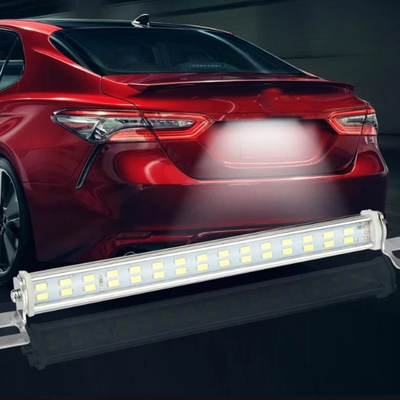
Drop Dash Deals Universal LED License Plate Light For Car, SUV, Truck, RV Universal LED License Plate Light For Car, SUV, Truck, RVBrighten up your vehicle with this 1pc Universal LED License Plate Light, designed to enhance your visibility and provide a sleek, modern look. Perfect for cars, trucks, RVs, and SUVs, this 12V LED light delivers an instanton effect with a 6000K...44,97 $*Shipping: 0,00 $Secure redirect to the provider
-
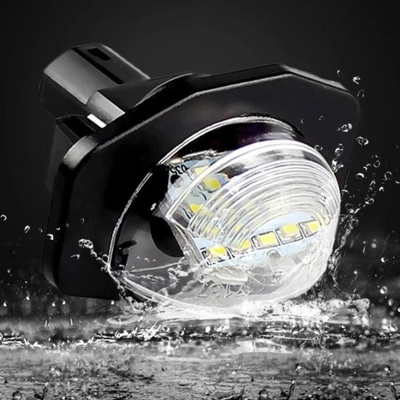
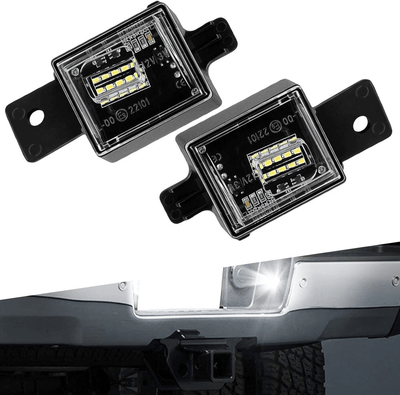
All Categories Goods Rear Full LED Number License Plate Light, Waterproof White Lamp, High Brightness For Auto Rear Full LED Number License Plate Light, Waterproof White Lamp, High Brightness For AutoTransform the appearance and functionality of your vehicle with our 2 pcs Full LED License Plate Light. Designed to provide a sleek, modern look while ensuring optimal brightness, this 12V light features builtin 18 SMD LEDs that emit a crisp, clear...45,97 $*Shipping: 0,00 $Secure redirect to the provider
-
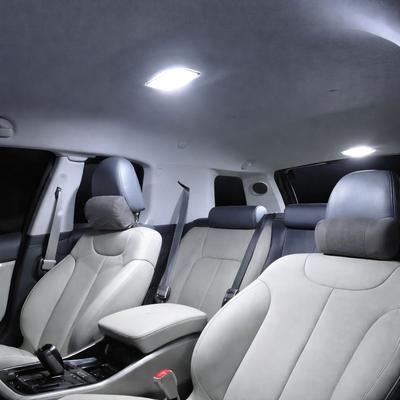
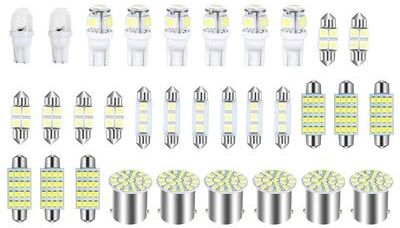
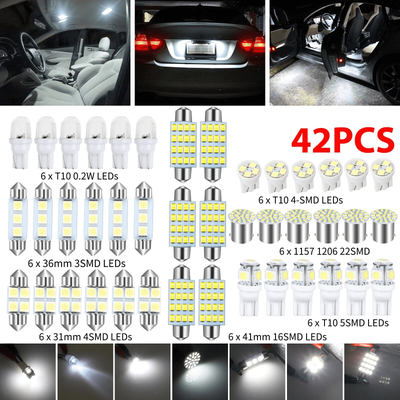
Multicon Wholesale Hub Car Interior LED Lights Combo Kit Dome, Map, License Plate & Trunk Bulbs Car Interior LED Lights Combo Kit Dome, Map, License Plate & Trunk BulbsTransform your car's interior with the 42piece Car Interior LED Lights Combo Kit, designed to elevate the ambiance and functionality of your vehicle. Whether you're upgrading your dome light, map light, or license plate bulbs, this kit provides...59,97 $*Shipping: 0,00 $Secure redirect to the provider
-
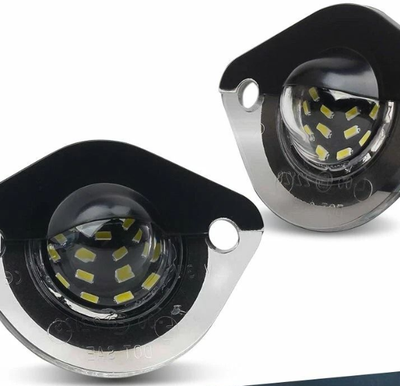
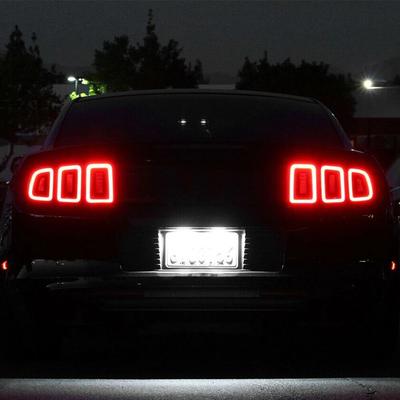
All Categories Goods LED License Plate Light Lamp LED License Plate Light LampBrighten Up Your Ride with the LED License Plate Light Lamp! Upgrade the look and functionality of your vehicle with our 2 pcs LED License Plate Light Lamp, specially designed for the 0812 Ford Fusion, 1014 Mustang, and 0819 Taurus. This highquality...44,97 $*Shipping: 0,00 $Secure redirect to the provider
-
What is the difference between intrachromosomal recombination and interchromosomal recombination?
Intrachromosomal recombination occurs between two different regions of the same chromosome, leading to the exchange of genetic material within the same chromosome. On the other hand, interchromosomal recombination involves the exchange of genetic material between two different chromosomes. Intrachromosomal recombination can lead to the creation of genetic diversity within a single chromosome, while interchromosomal recombination can result in the exchange of genetic material between different chromosomes, leading to genetic diversity among different chromosomes. **
-
What is recombination in biology?
Recombination in biology refers to the process by which genetic material from two different sources is combined to produce a new combination of genes. This can occur through sexual reproduction, where genetic material from two parents is combined to create offspring with a unique genetic makeup. Recombination plays a crucial role in generating genetic diversity within populations, which is important for evolution and adaptation to changing environments. In organisms that reproduce sexually, recombination occurs during meiosis, where homologous chromosomes exchange genetic material through a process called crossing over. **
-
How does crossing-over influence recombination?
Crossing-over is a process during meiosis where homologous chromosomes exchange genetic material. This exchange of genetic material results in new combinations of alleles on the chromosomes, leading to genetic recombination. By shuffling genetic material between homologous chromosomes, crossing-over increases genetic diversity in offspring and can result in the creation of new combinations of traits. This process is essential for generating genetic variation within a population and plays a crucial role in evolution. **
-
What is recombination and genetic variability?
Recombination is the process by which genetic material is exchanged between two similar molecules of DNA, resulting in new combinations of genes. This process occurs during meiosis, the cell division that produces gametes (sperm and egg cells). Genetic variability refers to the diversity of genetic material within a population, which is influenced by factors such as recombination, mutations, and gene flow. Recombination plays a key role in generating genetic variability by creating new combinations of genes, which can lead to increased diversity and adaptation within a population. **
How many offspring are produced through recombination?
Recombination typically results in two offspring being produced. This is because during recombination, genetic material from two parent organisms is combined to create a new individual with a unique combination of traits. This process allows for genetic diversity and variation within a population. **
When does disproportionation occur instead of recombination?
Disproportionation occurs when a single species is both oxidized and reduced in a reaction, leading to the formation of two different products with different oxidation states. This process typically occurs when the species involved can exist in multiple oxidation states and there is no suitable reactant available for recombination. In contrast, recombination occurs when two species with different oxidation states combine to form a single product with an intermediate oxidation state. **
Top-Angebote
Products related to Recombination:
-
All Categories Goods White SMD LED License Plate Light, High Quality Lamp, Bright And Energy Efficient Vehicle Light White SMD LED License Plate Light, High Quality Lamp, Bright And Energy Efficient Vehicle LightUpgrade your vehicles exterior with this 2 pcs White SMD LED License Plate Light Lamp that combines superior brightness and energy efficiency. Designed to provide optimal illumination, this lamp ensures your license plate is easily visible,...45,97 $*Shipping: 0,00 $Secure redirect to the provider
-
Drop Dash Deals Car Interior LED Light Bulbs Kit, Map, Door & License Plate Car Interior LED Light Bulbs Kit, Map, Door & License PlateTransform your vehicle's lighting with the 42PCS Car Interior LED Lights Kit. This complete set is designed for car enthusiasts who want to upgrade their vehicles interior and exterior with bright, energyefficient LED map light bulbs. Whether you...79,97 $*Shipping: 0,00 $Secure redirect to the provider
-
Drop Dash Deals Universal LED License Plate Light For Car, SUV, Truck, RV Universal LED License Plate Light For Car, SUV, Truck, RVBrighten up your vehicle with this 1pc Universal LED License Plate Light, designed to enhance your visibility and provide a sleek, modern look. Perfect for cars, trucks, RVs, and SUVs, this 12V LED light delivers an instanton effect with a 6000K...44,97 $*Shipping: 0,00 $Secure redirect to the provider
-
All Categories Goods Rear Full LED Number License Plate Light, Waterproof White Lamp, High Brightness For Auto Rear Full LED Number License Plate Light, Waterproof White Lamp, High Brightness For AutoTransform the appearance and functionality of your vehicle with our 2 pcs Full LED License Plate Light. Designed to provide a sleek, modern look while ensuring optimal brightness, this 12V light features builtin 18 SMD LEDs that emit a crisp, clear...45,97 $*Shipping: 0,00 $Secure redirect to the provider
-
How do non-homologous recombination and homologous recombination work?
Non-homologous recombination involves the joining of two DNA molecules at non-homologous sequences, resulting in the insertion, deletion, or rearrangement of genetic material. This process is often error-prone and can lead to mutations. Homologous recombination, on the other hand, involves the exchange of genetic material between two similar DNA molecules, typically occurring during meiosis. This process is important for repairing DNA damage and ensuring genetic diversity. It involves the exchange of genetic material between homologous chromosomes, resulting in the formation of new combinations of genes. **
-
What is the difference between interchromosomal recombination and intrachromosomal recombination?
Interchromosomal recombination involves the exchange of genetic material between two different chromosomes, while intrachromosomal recombination involves the exchange of genetic material within the same chromosome. Interchromosomal recombination can result in the creation of new combinations of genes from different chromosomes, leading to genetic diversity. In contrast, intrachromosomal recombination can lead to the repair of DNA damage or the creation of genetic variation within the same chromosome. Both processes are important for genetic diversity and evolution. **
-
What is the difference between intrachromosomal recombination and interchromosomal recombination?
Intrachromosomal recombination occurs between two different regions of the same chromosome, leading to the exchange of genetic material within the same chromosome. On the other hand, interchromosomal recombination involves the exchange of genetic material between two different chromosomes. Intrachromosomal recombination can lead to the creation of genetic diversity within a single chromosome, while interchromosomal recombination can result in the exchange of genetic material between different chromosomes, leading to genetic diversity among different chromosomes. **
-
What is recombination in biology?
Recombination in biology refers to the process by which genetic material from two different sources is combined to produce a new combination of genes. This can occur through sexual reproduction, where genetic material from two parents is combined to create offspring with a unique genetic makeup. Recombination plays a crucial role in generating genetic diversity within populations, which is important for evolution and adaptation to changing environments. In organisms that reproduce sexually, recombination occurs during meiosis, where homologous chromosomes exchange genetic material through a process called crossing over. **
Similar search terms for Recombination
-
Multicon Wholesale Hub Car Interior LED Lights Combo Kit Dome, Map, License Plate & Trunk Bulbs Car Interior LED Lights Combo Kit Dome, Map, License Plate & Trunk BulbsTransform your car's interior with the 42piece Car Interior LED Lights Combo Kit, designed to elevate the ambiance and functionality of your vehicle. Whether you're upgrading your dome light, map light, or license plate bulbs, this kit provides...59,97 $*Shipping: 0,00 $Secure redirect to the provider
-
All Categories Goods LED License Plate Light Lamp LED License Plate Light LampBrighten Up Your Ride with the LED License Plate Light Lamp! Upgrade the look and functionality of your vehicle with our 2 pcs LED License Plate Light Lamp, specially designed for the 0812 Ford Fusion, 1014 Mustang, and 0819 Taurus. This highquality...44,97 $*Shipping: 0,00 $Secure redirect to the provider
-
All Categories Goods LED License Plate Light, High Power White LED, Replacement For Factory License Plate Bulb LED License Plate Light, High Power White LED, Replacement For Factory License Plate BulbEnhance Your Car's Look and Safety with LED License Plate Tag Lights Give your vehicle a sleek, modern upgrade with these 2 pcs LED license plate tag lights. Designed to replace your old, dull factory lights, these highpower xenon white LED lights...43,97 $*Shipping: 0,00 $Secure redirect to the provider
-
Lush Living Finds Car Interior LED Map Dome Door Trunk License Plate Lights, Xenon White Upgrade Kit Car Interior LED Map Dome Door Trunk License Plate Lights, Xenon White Upgrade KitUpgrade your ride instantly with this 42PCS Car Interior Combo LED Map Dome Door Trunk License Plate Light Bulbs White kit. Crafted for superior brightness, energy efficiency, and seamless compatibility, this kit is the ultimate enhancement for...25,97 $*Shipping: 0,00 $Secure redirect to the provider
-
How does crossing-over influence recombination?
Crossing-over is a process during meiosis where homologous chromosomes exchange genetic material. This exchange of genetic material results in new combinations of alleles on the chromosomes, leading to genetic recombination. By shuffling genetic material between homologous chromosomes, crossing-over increases genetic diversity in offspring and can result in the creation of new combinations of traits. This process is essential for generating genetic variation within a population and plays a crucial role in evolution. **
-
What is recombination and genetic variability?
Recombination is the process by which genetic material is exchanged between two similar molecules of DNA, resulting in new combinations of genes. This process occurs during meiosis, the cell division that produces gametes (sperm and egg cells). Genetic variability refers to the diversity of genetic material within a population, which is influenced by factors such as recombination, mutations, and gene flow. Recombination plays a key role in generating genetic variability by creating new combinations of genes, which can lead to increased diversity and adaptation within a population. **
-
How many offspring are produced through recombination?
Recombination typically results in two offspring being produced. This is because during recombination, genetic material from two parent organisms is combined to create a new individual with a unique combination of traits. This process allows for genetic diversity and variation within a population. **
-
When does disproportionation occur instead of recombination?
Disproportionation occurs when a single species is both oxidized and reduced in a reaction, leading to the formation of two different products with different oxidation states. This process typically occurs when the species involved can exist in multiple oxidation states and there is no suitable reactant available for recombination. In contrast, recombination occurs when two species with different oxidation states combine to form a single product with an intermediate oxidation state. **
* All prices are inclusive of VAT and, if applicable, plus shipping costs. The offer information is based on the details provided by the respective shop and is updated through automated processes. Real-time updates do not occur, so deviations can occur in individual cases. ** Note: Parts of this content were created by AI.