Buy kennzeichen24.eu ?
We are moving the project
kennzeichen24.eu .
Are you interested in purchasing the domain
kennzeichen24.eu ?
domain@kv-gmbh.de · 0541-91531010
Buy kennzeichen24.eu ?
How big is a 90cm bed with 18?
A 90cm bed with 18 refers to a bed that is 90 centimeters wide and 18 centimeters long. This would be considered a small bed, suitable for a single person or a child. It may be ideal for smaller bedrooms or as a space-saving option. However, it may not provide enough space for a comfortable night's sleep for most adults. **
Are you still using single 90cm wide beds?
No, we have upgraded to using double beds that are 180cm wide. This change has allowed for more comfort and space for our guests, and has been well-received by those who have stayed with us. We are always looking for ways to improve our accommodations and provide the best experience for our guests. **

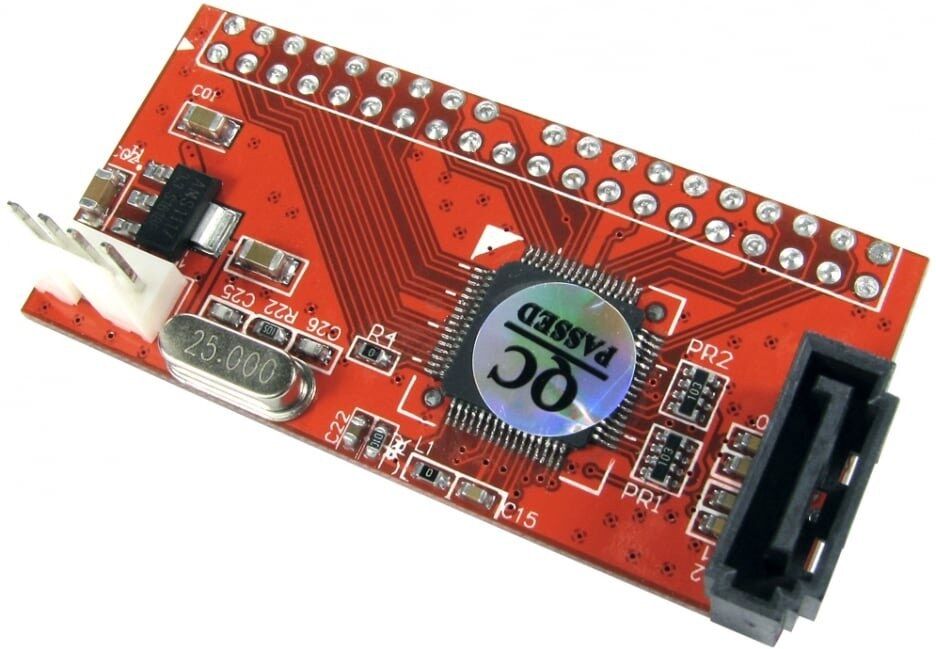
Similar search terms for NEWlink-90cm-Locking-SATA
Top-Angebote
Products related to NEWlink-90cm-Locking-SATA:
-
NewLink DisplayPort v1.1 Monitor Cable 1mDisplayPort v1.1 monitor cable, 1 metre, with a DisplayPort connector at each end. DisplayPort is a 20-pin digital audio/video connection defined by VESA as a royalty-free successor to DVI and VGA, used to connect a computer or graphics card to a monitor.11,99 £*Shipping: 0,00 £Secure redirect to the provider


-
What does positive locking power transmission and force-locking power transmission mean, as well as positive locking and force-locking?
Positive locking power transmission refers to a system where the connection between components is secure and prevents any slipping or movement during operation. This ensures that power is efficiently transferred without any loss. Force-locking power transmission, on the other hand, relies on friction or mechanical interlocking to transmit power, providing a strong and reliable connection. Positive locking refers to a mechanism that securely holds components together, while force-locking relies on external forces to maintain the connection. **
-
What does positive locking power transmission and frictional locking power transmission mean, as well as positive locking and frictional locking?
Positive locking power transmission refers to a system where the connection between two components is secure and does not allow for any slipping or movement. This is achieved through mechanisms such as gears or splines that ensure a precise and fixed transfer of power. On the other hand, frictional locking power transmission relies on the friction between two surfaces to transfer power. Positive locking refers to a mechanism that physically prevents movement or disengagement, while frictional locking relies on the resistance generated by friction to maintain the connection between components. **
-
Why do people honk when locking the car?
People often honk when locking their car as a way to confirm that the car is indeed locked. The honking sound provides an audible signal to the person that the car has been successfully locked, giving them peace of mind that their vehicle is secure. Additionally, the honking can act as a deterrent to potential thieves by drawing attention to the fact that the car is being locked. Overall, honking when locking the car serves as a simple and effective way to ensure the safety and security of the vehicle. **
-
Is the car allowed to honk when locking?
Yes, the car is allowed to honk when locking in some cases. Many car models have a feature that allows the horn to honk when the car is locked using the key fob or remote. This can serve as an audible confirmation to the driver that the car is securely locked. However, some car owners may find this feature disruptive and choose to disable it through the car's settings. **


Why do you honk when locking the car?
Honking when locking the car is a common feature in some vehicles to provide an audible confirmation that the car has been successfully locked. This can give the driver peace of mind knowing that their car is secure. Additionally, the honking sound can act as a deterrent to potential thieves by drawing attention to the fact that the car is being locked. Overall, honking when locking the car serves as a simple and effective way to ensure the safety and security of the vehicle. **
Why do people honk when locking their car?
People honk when locking their car as a way to confirm that the car is locked. The honking sound provides an audible signal to the driver that the car's doors are securely locked, giving them peace of mind that their vehicle is safe. Additionally, the honking can serve as a deterrent to potential thieves, alerting them that the car is locked and potentially deterring any attempted break-ins. Overall, honking when locking the car is a simple and effective way for drivers to ensure the security of their vehicle. **
Top-Angebote
Products related to NEWlink-90cm-Locking-SATA:
-
How big is a 90cm bed with 18?
A 90cm bed with 18 refers to a bed that is 90 centimeters wide and 18 centimeters long. This would be considered a small bed, suitable for a single person or a child. It may be ideal for smaller bedrooms or as a space-saving option. However, it may not provide enough space for a comfortable night's sleep for most adults. **
-
Are you still using single 90cm wide beds?
No, we have upgraded to using double beds that are 180cm wide. This change has allowed for more comfort and space for our guests, and has been well-received by those who have stayed with us. We are always looking for ways to improve our accommodations and provide the best experience for our guests. **
-
What does positive locking power transmission and force-locking power transmission mean, as well as positive locking and force-locking?
Positive locking power transmission refers to a system where the connection between components is secure and prevents any slipping or movement during operation. This ensures that power is efficiently transferred without any loss. Force-locking power transmission, on the other hand, relies on friction or mechanical interlocking to transmit power, providing a strong and reliable connection. Positive locking refers to a mechanism that securely holds components together, while force-locking relies on external forces to maintain the connection. **
-
What does positive locking power transmission and frictional locking power transmission mean, as well as positive locking and frictional locking?
Positive locking power transmission refers to a system where the connection between two components is secure and does not allow for any slipping or movement. This is achieved through mechanisms such as gears or splines that ensure a precise and fixed transfer of power. On the other hand, frictional locking power transmission relies on the friction between two surfaces to transfer power. Positive locking refers to a mechanism that physically prevents movement or disengagement, while frictional locking relies on the resistance generated by friction to maintain the connection between components. **
Similar search terms for NEWlink-90cm-Locking-SATA
-
NewLink DisplayPort v1.1 Monitor Cable 1mDisplayPort v1.1 monitor cable, 1 metre, with a DisplayPort connector at each end. DisplayPort is a 20-pin digital audio/video connection defined by VESA as a royalty-free successor to DVI and VGA, used to connect a computer or graphics card to a monitor.11,99 £*Shipping: 0,00 £Secure redirect to the provider
-
NEWlink Premium OFC S-Video (SVHS) CableNEWlink premium S-Video (SVHS) cable with oxygen-free copper (OFC) conductors for lower signal loss and better corrosion resistance, and zinc-alloy connector hoods with colour-coded bands. Carries S-Video between AV equipment.8,99 £*Shipping: 0,00 £Secure redirect to the provider
-
NewLink High Speed Active HDMI Cable 20mNewLink high speed active HDMI cable, 20m (NLHDMI-EXT20M). Oxygen-free copper (OFC) conductors with built-in active signal amplification for long HDMI runs between a source and a TV, monitor or projector.59,99 £*Shipping: 0,00 £Secure redirect to the provider
-
Why do people honk when locking the car?
People often honk when locking their car as a way to confirm that the car is indeed locked. The honking sound provides an audible signal to the person that the car has been successfully locked, giving them peace of mind that their vehicle is secure. Additionally, the honking can act as a deterrent to potential thieves by drawing attention to the fact that the car is being locked. Overall, honking when locking the car serves as a simple and effective way to ensure the safety and security of the vehicle. **
-
Is the car allowed to honk when locking?
Yes, the car is allowed to honk when locking in some cases. Many car models have a feature that allows the horn to honk when the car is locked using the key fob or remote. This can serve as an audible confirmation to the driver that the car is securely locked. However, some car owners may find this feature disruptive and choose to disable it through the car's settings. **
-
Why do you honk when locking the car?
Honking when locking the car is a common feature in some vehicles to provide an audible confirmation that the car has been successfully locked. This can give the driver peace of mind knowing that their car is secure. Additionally, the honking sound can act as a deterrent to potential thieves by drawing attention to the fact that the car is being locked. Overall, honking when locking the car serves as a simple and effective way to ensure the safety and security of the vehicle. **
-
Why do people honk when locking their car?
People honk when locking their car as a way to confirm that the car is locked. The honking sound provides an audible signal to the driver that the car's doors are securely locked, giving them peace of mind that their vehicle is safe. Additionally, the honking can serve as a deterrent to potential thieves, alerting them that the car is locked and potentially deterring any attempted break-ins. Overall, honking when locking the car is a simple and effective way for drivers to ensure the security of their vehicle. **
* All prices are inclusive of VAT and, if applicable, plus shipping costs. The offer information is based on the details provided by the respective shop and is updated through automated processes. Real-time updates do not occur, so deviations can occur in individual cases. ** Note: Parts of this content were created by AI.