Buy kennzeichen24.eu ?
We are moving the project
kennzeichen24.eu .
Are you interested in purchasing the domain
kennzeichen24.eu ?
domain@kv-gmbh.de · 0541-91531010
Buy kennzeichen24.eu ?
How does esterification work in chemistry?
Esterification is a chemical reaction that involves the reaction between an alcohol and a carboxylic acid to form an ester and water. This reaction is typically catalyzed by an acid or a base. The alcohol group (-OH) from the alcohol and the carboxyl group (-COOH) from the carboxylic acid combine to form an ester linkage (-COO-). Esterification is a reversible reaction, meaning that esters can be hydrolyzed back into their original alcohol and carboxylic acid components under certain conditions. **
Why is water eliminated during esterification?
Water is eliminated during esterification because it is a byproduct of the reaction between an alcohol and a carboxylic acid to form an ester. The elimination of water helps drive the reaction forward by Le Chatelier's principle, as the removal of the water shifts the equilibrium towards the formation of more ester product. Additionally, the presence of water can hydrolyze the ester back into the alcohol and carboxylic acid, so removing water helps prevent the reverse reaction from occurring. **
Similar search terms for Esterification
Top-Angebote
Products related to Esterification:
-
Drop Dash Deals Universal LED License Plate Light For Car, SUV, Truck, RV Universal LED License Plate Light For Car, SUV, Truck, RVBrighten up your vehicle with this 1pc Universal LED License Plate Light, designed to enhance your visibility and provide a sleek, modern look. Perfect for cars, trucks, RVs, and SUVs, this 12V LED light delivers an instanton effect with a 6000K...44,97 $*Shipping: 0,00 $Secure redirect to the provider
-
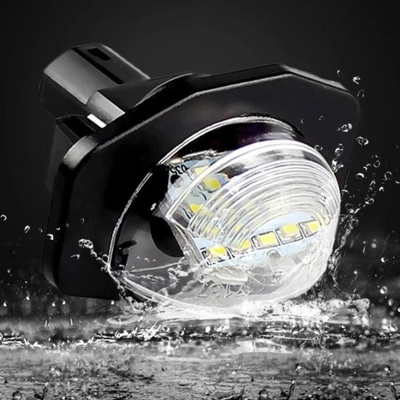
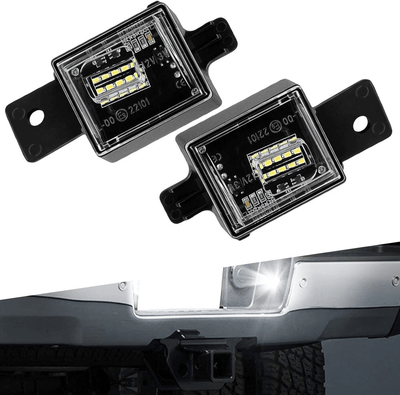
All Categories Goods Rear Full LED Number License Plate Light, Waterproof White Lamp, High Brightness For Auto Rear Full LED Number License Plate Light, Waterproof White Lamp, High Brightness For AutoTransform the appearance and functionality of your vehicle with our 2 pcs Full LED License Plate Light. Designed to provide a sleek, modern look while ensuring optimal brightness, this 12V light features builtin 18 SMD LEDs that emit a crisp, clear...45,97 $*Shipping: 0,00 $Secure redirect to the provider
-
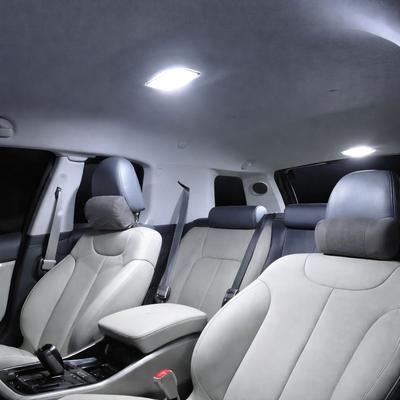
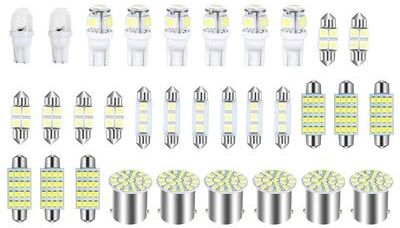
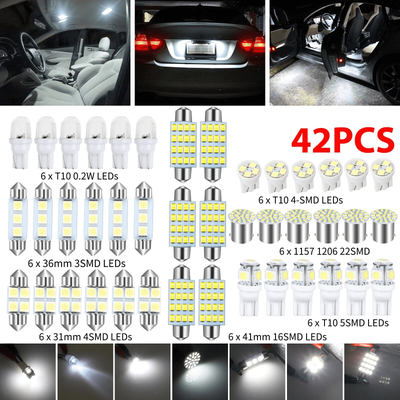
Multicon Wholesale Hub Car Interior LED Lights Combo Kit Dome, Map, License Plate & Trunk Bulbs Car Interior LED Lights Combo Kit Dome, Map, License Plate & Trunk BulbsTransform your car's interior with the 42piece Car Interior LED Lights Combo Kit, designed to elevate the ambiance and functionality of your vehicle. Whether you're upgrading your dome light, map light, or license plate bulbs, this kit provides...59,97 $*Shipping: 0,00 $Secure redirect to the provider
-
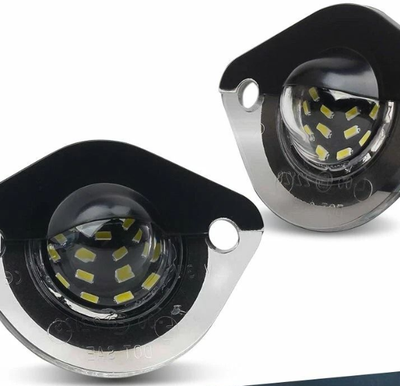
All Categories Goods LED License Plate Light Lamp LED License Plate Light LampBrighten Up Your Ride with the LED License Plate Light Lamp! Upgrade the look and functionality of your vehicle with our 2 pcs LED License Plate Light Lamp, specially designed for the 0812 Ford Fusion, 1014 Mustang, and 0819 Taurus. This highquality...44,97 $*Shipping: 0,00 $Secure redirect to the provider


-
Is esterification also an oxidation reaction?
No, esterification is not an oxidation reaction. Esterification is a chemical reaction between an alcohol and a carboxylic acid to form an ester and water. In this reaction, the alcohol group (-OH) from the alcohol and the carboxyl group (-COOH) from the carboxylic acid combine to form an ester linkage. Oxidation reactions involve the loss of electrons, while esterification involves the formation of a new compound through the combination of functional groups. **
-
What is the degree of esterification?
The degree of esterification refers to the extent to which a carboxylic acid has been esterified with an alcohol to form an ester. It is a measure of the proportion of carboxylic acid groups that have been converted to ester groups in a molecule. The degree of esterification can be expressed as a percentage, with 100% indicating complete esterification and 0% indicating no esterification. This parameter is important in various industrial processes, such as in the production of biodiesel and in the synthesis of polymers. **
-
What is a catalyst in esterification?
A catalyst in esterification is a substance that increases the rate of the esterification reaction without being consumed in the process. It works by providing an alternative pathway for the reaction to occur, lowering the activation energy required for the reaction to take place. Common catalysts for esterification include acids, such as sulfuric acid or hydrochloric acid, which can protonate the carbonyl group of the carboxylic acid and activate it for nucleophilic attack by the alcohol. This results in the formation of the ester product at a faster rate than without the catalyst. **
-
Is condensation the same as esterification?
No, condensation and esterification are not the same. Condensation is a general term used to describe the process of two molecules combining and releasing a small molecule, such as water, as a byproduct. Esterification, on the other hand, specifically refers to the chemical reaction between an alcohol and a carboxylic acid to form an ester and water. While esterification is a type of condensation reaction, not all condensation reactions are esterification. **
Why is water split off during esterification?
Water is split off during esterification because it is a byproduct of the reaction between an alcohol and a carboxylic acid. In esterification, the hydroxyl group (-OH) from the alcohol and the hydrogen atom from the carboxylic acid combine to form water. This process helps to form the ester compound, which is the desired product of the reaction. **
Doesn't electrophilic addition always occur during esterification?
No, electrophilic addition does not always occur during esterification. Esterification is a chemical reaction between an alcohol and a carboxylic acid to form an ester and water. This reaction involves the nucleophilic substitution of the hydroxyl group of the alcohol with the carboxyl group of the carboxylic acid, rather than electrophilic addition. The reaction is catalyzed by an acid, such as sulfuric acid or hydrochloric acid, which helps to protonate the hydroxyl group and make it a better leaving group. Therefore, esterification does not involve electrophilic addition. **
Top-Angebote
Products related to Esterification:
-
All Categories Goods White SMD LED License Plate Light, High Quality Lamp, Bright And Energy Efficient Vehicle Light White SMD LED License Plate Light, High Quality Lamp, Bright And Energy Efficient Vehicle LightUpgrade your vehicles exterior with this 2 pcs White SMD LED License Plate Light Lamp that combines superior brightness and energy efficiency. Designed to provide optimal illumination, this lamp ensures your license plate is easily visible,...45,97 $*Shipping: 0,00 $Secure redirect to the provider
-
Drop Dash Deals Car Interior LED Light Bulbs Kit, Map, Door & License Plate Car Interior LED Light Bulbs Kit, Map, Door & License PlateTransform your vehicle's lighting with the 42PCS Car Interior LED Lights Kit. This complete set is designed for car enthusiasts who want to upgrade their vehicles interior and exterior with bright, energyefficient LED map light bulbs. Whether you...79,97 $*Shipping: 0,00 $Secure redirect to the provider
-
Drop Dash Deals Universal LED License Plate Light For Car, SUV, Truck, RV Universal LED License Plate Light For Car, SUV, Truck, RVBrighten up your vehicle with this 1pc Universal LED License Plate Light, designed to enhance your visibility and provide a sleek, modern look. Perfect for cars, trucks, RVs, and SUVs, this 12V LED light delivers an instanton effect with a 6000K...44,97 $*Shipping: 0,00 $Secure redirect to the provider
-
All Categories Goods Rear Full LED Number License Plate Light, Waterproof White Lamp, High Brightness For Auto Rear Full LED Number License Plate Light, Waterproof White Lamp, High Brightness For AutoTransform the appearance and functionality of your vehicle with our 2 pcs Full LED License Plate Light. Designed to provide a sleek, modern look while ensuring optimal brightness, this 12V light features builtin 18 SMD LEDs that emit a crisp, clear...45,97 $*Shipping: 0,00 $Secure redirect to the provider
-
How does esterification work in chemistry?
Esterification is a chemical reaction that involves the reaction between an alcohol and a carboxylic acid to form an ester and water. This reaction is typically catalyzed by an acid or a base. The alcohol group (-OH) from the alcohol and the carboxyl group (-COOH) from the carboxylic acid combine to form an ester linkage (-COO-). Esterification is a reversible reaction, meaning that esters can be hydrolyzed back into their original alcohol and carboxylic acid components under certain conditions. **
-
Why is water eliminated during esterification?
Water is eliminated during esterification because it is a byproduct of the reaction between an alcohol and a carboxylic acid to form an ester. The elimination of water helps drive the reaction forward by Le Chatelier's principle, as the removal of the water shifts the equilibrium towards the formation of more ester product. Additionally, the presence of water can hydrolyze the ester back into the alcohol and carboxylic acid, so removing water helps prevent the reverse reaction from occurring. **
-
Is esterification also an oxidation reaction?
No, esterification is not an oxidation reaction. Esterification is a chemical reaction between an alcohol and a carboxylic acid to form an ester and water. In this reaction, the alcohol group (-OH) from the alcohol and the carboxyl group (-COOH) from the carboxylic acid combine to form an ester linkage. Oxidation reactions involve the loss of electrons, while esterification involves the formation of a new compound through the combination of functional groups. **
-
What is the degree of esterification?
The degree of esterification refers to the extent to which a carboxylic acid has been esterified with an alcohol to form an ester. It is a measure of the proportion of carboxylic acid groups that have been converted to ester groups in a molecule. The degree of esterification can be expressed as a percentage, with 100% indicating complete esterification and 0% indicating no esterification. This parameter is important in various industrial processes, such as in the production of biodiesel and in the synthesis of polymers. **
Similar search terms for Esterification
-
Multicon Wholesale Hub Car Interior LED Lights Combo Kit Dome, Map, License Plate & Trunk Bulbs Car Interior LED Lights Combo Kit Dome, Map, License Plate & Trunk BulbsTransform your car's interior with the 42piece Car Interior LED Lights Combo Kit, designed to elevate the ambiance and functionality of your vehicle. Whether you're upgrading your dome light, map light, or license plate bulbs, this kit provides...59,97 $*Shipping: 0,00 $Secure redirect to the provider
-
All Categories Goods LED License Plate Light Lamp LED License Plate Light LampBrighten Up Your Ride with the LED License Plate Light Lamp! Upgrade the look and functionality of your vehicle with our 2 pcs LED License Plate Light Lamp, specially designed for the 0812 Ford Fusion, 1014 Mustang, and 0819 Taurus. This highquality...44,97 $*Shipping: 0,00 $Secure redirect to the provider
-
All Categories Goods LED License Plate Light, High Power White LED, Replacement For Factory License Plate Bulb LED License Plate Light, High Power White LED, Replacement For Factory License Plate BulbEnhance Your Car's Look and Safety with LED License Plate Tag Lights Give your vehicle a sleek, modern upgrade with these 2 pcs LED license plate tag lights. Designed to replace your old, dull factory lights, these highpower xenon white LED lights...43,97 $*Shipping: 0,00 $Secure redirect to the provider
-
Lush Living Finds Car Interior LED Map Dome Door Trunk License Plate Lights, Xenon White Upgrade Kit Car Interior LED Map Dome Door Trunk License Plate Lights, Xenon White Upgrade KitUpgrade your ride instantly with this 42PCS Car Interior Combo LED Map Dome Door Trunk License Plate Light Bulbs White kit. Crafted for superior brightness, energy efficiency, and seamless compatibility, this kit is the ultimate enhancement for...25,97 $*Shipping: 0,00 $Secure redirect to the provider
-
What is a catalyst in esterification?
A catalyst in esterification is a substance that increases the rate of the esterification reaction without being consumed in the process. It works by providing an alternative pathway for the reaction to occur, lowering the activation energy required for the reaction to take place. Common catalysts for esterification include acids, such as sulfuric acid or hydrochloric acid, which can protonate the carbonyl group of the carboxylic acid and activate it for nucleophilic attack by the alcohol. This results in the formation of the ester product at a faster rate than without the catalyst. **
-
Is condensation the same as esterification?
No, condensation and esterification are not the same. Condensation is a general term used to describe the process of two molecules combining and releasing a small molecule, such as water, as a byproduct. Esterification, on the other hand, specifically refers to the chemical reaction between an alcohol and a carboxylic acid to form an ester and water. While esterification is a type of condensation reaction, not all condensation reactions are esterification. **
-
Why is water split off during esterification?
Water is split off during esterification because it is a byproduct of the reaction between an alcohol and a carboxylic acid. In esterification, the hydroxyl group (-OH) from the alcohol and the hydrogen atom from the carboxylic acid combine to form water. This process helps to form the ester compound, which is the desired product of the reaction. **
-
Doesn't electrophilic addition always occur during esterification?
No, electrophilic addition does not always occur during esterification. Esterification is a chemical reaction between an alcohol and a carboxylic acid to form an ester and water. This reaction involves the nucleophilic substitution of the hydroxyl group of the alcohol with the carboxyl group of the carboxylic acid, rather than electrophilic addition. The reaction is catalyzed by an acid, such as sulfuric acid or hydrochloric acid, which helps to protonate the hydroxyl group and make it a better leaving group. Therefore, esterification does not involve electrophilic addition. **
* All prices are inclusive of VAT and, if applicable, plus shipping costs. The offer information is based on the details provided by the respective shop and is updated through automated processes. Real-time updates do not occur, so deviations can occur in individual cases. ** Note: Parts of this content were created by AI.