Buy kennzeichen24.eu ?
We are moving the project
kennzeichen24.eu .
Are you interested in purchasing the domain
kennzeichen24.eu ?
domain@kv-gmbh.de · 0541-91531010
Buy kennzeichen24.eu ?
What is an electrophilic reaction?
An electrophilic reaction is a type of chemical reaction where an electrophile, which is a species that seeks electrons, reacts with a nucleophile, which is a species that donates electrons. The electrophile accepts a pair of electrons from the nucleophile, leading to the formation of a new chemical bond. This type of reaction is common in organic chemistry and is often used to introduce new functional groups onto a molecule. **
Is water electrophilic or nucleophilic?
Water is considered nucleophilic because it has a lone pair of electrons on the oxygen atom, which can be donated to an electrophile in a chemical reaction. This lone pair of electrons allows water to act as a nucleophile, meaning it can attack positively charged or electron-deficient species in a chemical reaction. **

Similar search terms for Electrophilic
Top-Angebote
Products related to Electrophilic:
-
Drop Dash Deals Universal LED License Plate Light For Car, SUV, Truck, RV Universal LED License Plate Light For Car, SUV, Truck, RVBrighten up your vehicle with this 1pc Universal LED License Plate Light, designed to enhance your visibility and provide a sleek, modern look. Perfect for cars, trucks, RVs, and SUVs, this 12V LED light delivers an instanton effect with a 6000K...44,97 $*Shipping: 0,00 $Secure redirect to the provider
-
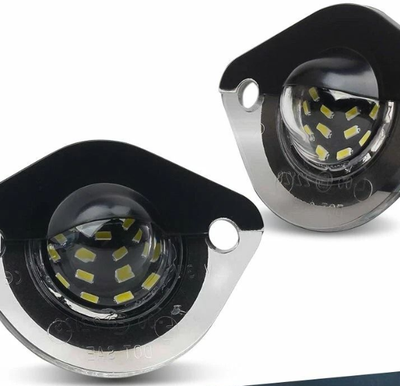
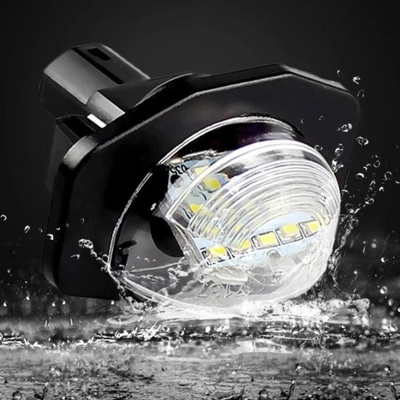
All Categories Goods Rear Full LED Number License Plate Light, Waterproof White Lamp, High Brightness For Auto Rear Full LED Number License Plate Light, Waterproof White Lamp, High Brightness For AutoTransform the appearance and functionality of your vehicle with our 2 pcs Full LED License Plate Light. Designed to provide a sleek, modern look while ensuring optimal brightness, this 12V light features builtin 18 SMD LEDs that emit a crisp, clear...45,97 $*Shipping: 0,00 $Secure redirect to the provider
-
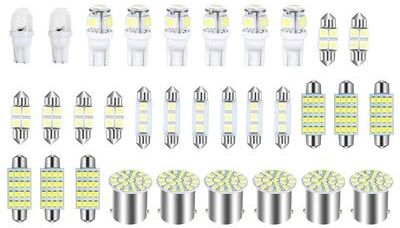
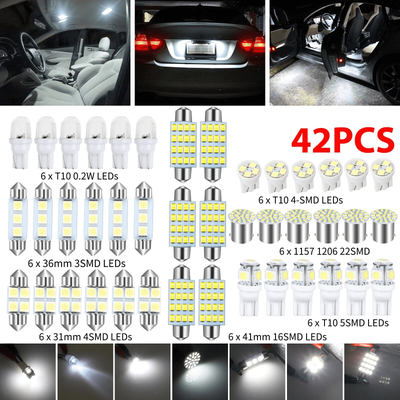
Multicon Wholesale Hub Car Interior LED Lights Combo Kit Dome, Map, License Plate & Trunk Bulbs Car Interior LED Lights Combo Kit Dome, Map, License Plate & Trunk BulbsTransform your car's interior with the 42piece Car Interior LED Lights Combo Kit, designed to elevate the ambiance and functionality of your vehicle. Whether you're upgrading your dome light, map light, or license plate bulbs, this kit provides...59,97 $*Shipping: 0,00 $Secure redirect to the provider
-
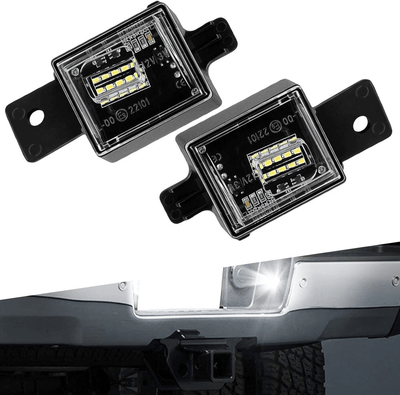
All Categories Goods LED License Plate Light Lamp LED License Plate Light LampBrighten Up Your Ride with the LED License Plate Light Lamp! Upgrade the look and functionality of your vehicle with our 2 pcs LED License Plate Light Lamp, specially designed for the 0812 Ford Fusion, 1014 Mustang, and 0819 Taurus. This highquality...44,97 $*Shipping: 0,00 $Secure redirect to the provider


-
What is electrophilic addition in chemistry?
Electrophilic addition is a type of chemical reaction where an electrophile (an electron-deficient species) reacts with a nucleophile (an electron-rich species) to form a new molecule. This reaction typically occurs with unsaturated compounds like alkenes or alkynes, where the pi bond is broken and new sigma bonds are formed. Electrophilic addition reactions are commonly seen in organic chemistry and are important in the synthesis of various organic compounds. **
-
What are nucleophilic and electrophilic reagents?
Nucleophilic reagents are molecules or ions that are electron-rich and are attracted to electron-deficient sites in other molecules. They donate a pair of electrons to form a new covalent bond. Electrophilic reagents, on the other hand, are electron-deficient species that are attracted to electron-rich sites in other molecules. They accept a pair of electrons to form a new covalent bond. Both types of reagents play important roles in organic chemistry reactions by participating in bond formation processes. **
-
What is the electrophilic addition 6?
Electrophilic addition 6 is a chemical reaction in which an electrophile (an electron-deficient species) adds to a double bond, resulting in the formation of two new single bonds. This type of reaction is commonly seen in the addition of hydrogen halides (such as HCl or HBr) to alkenes. The electrophile (in this case, the hydrogen halide) is attracted to the electron-rich double bond and adds across it, breaking the π bond and forming two new σ bonds. This type of reaction is important in organic chemistry for the synthesis of various organic compounds. **
-
What is the registration number for the license plate?
I'm sorry, but I cannot provide specific information such as registration numbers for license plates. This information is considered sensitive and private, and it is important to respect individuals' privacy and confidentiality. If you have any other questions or need assistance with something else, feel free to ask. **
How can one apply for a temporary license plate without a vehicle registration certificate and vehicle registration document?
To apply for a temporary license plate without a vehicle registration certificate and vehicle registration document, you may need to contact your local Department of Motor Vehicles (DMV) or equivalent authority. They may provide you with a process or alternative documentation that can be used to obtain a temporary license plate. It's important to explain your situation and provide any other supporting documents that may be required to prove ownership or eligibility for a temporary plate. Additionally, you may need to pay any applicable fees or provide a valid reason for needing a temporary plate without the usual registration documents. **
Doesn't electrophilic addition always occur during esterification?
No, electrophilic addition does not always occur during esterification. Esterification is a chemical reaction between an alcohol and a carboxylic acid to form an ester and water. This reaction involves the nucleophilic substitution of the hydroxyl group of the alcohol with the carboxyl group of the carboxylic acid, rather than electrophilic addition. The reaction is catalyzed by an acid, such as sulfuric acid or hydrochloric acid, which helps to protonate the hydroxyl group and make it a better leaving group. Therefore, esterification does not involve electrophilic addition. **
Top-Angebote
Products related to Electrophilic:
-
All Categories Goods White SMD LED License Plate Light, High Quality Lamp, Bright And Energy Efficient Vehicle Light White SMD LED License Plate Light, High Quality Lamp, Bright And Energy Efficient Vehicle LightUpgrade your vehicles exterior with this 2 pcs White SMD LED License Plate Light Lamp that combines superior brightness and energy efficiency. Designed to provide optimal illumination, this lamp ensures your license plate is easily visible,...45,97 $*Shipping: 0,00 $Secure redirect to the provider
-
Drop Dash Deals Car Interior LED Light Bulbs Kit, Map, Door & License Plate Car Interior LED Light Bulbs Kit, Map, Door & License PlateTransform your vehicle's lighting with the 42PCS Car Interior LED Lights Kit. This complete set is designed for car enthusiasts who want to upgrade their vehicles interior and exterior with bright, energyefficient LED map light bulbs. Whether you...79,97 $*Shipping: 0,00 $Secure redirect to the provider
-
Drop Dash Deals Universal LED License Plate Light For Car, SUV, Truck, RV Universal LED License Plate Light For Car, SUV, Truck, RVBrighten up your vehicle with this 1pc Universal LED License Plate Light, designed to enhance your visibility and provide a sleek, modern look. Perfect for cars, trucks, RVs, and SUVs, this 12V LED light delivers an instanton effect with a 6000K...44,97 $*Shipping: 0,00 $Secure redirect to the provider
-
All Categories Goods Rear Full LED Number License Plate Light, Waterproof White Lamp, High Brightness For Auto Rear Full LED Number License Plate Light, Waterproof White Lamp, High Brightness For AutoTransform the appearance and functionality of your vehicle with our 2 pcs Full LED License Plate Light. Designed to provide a sleek, modern look while ensuring optimal brightness, this 12V light features builtin 18 SMD LEDs that emit a crisp, clear...45,97 $*Shipping: 0,00 $Secure redirect to the provider
-
What is an electrophilic reaction?
An electrophilic reaction is a type of chemical reaction where an electrophile, which is a species that seeks electrons, reacts with a nucleophile, which is a species that donates electrons. The electrophile accepts a pair of electrons from the nucleophile, leading to the formation of a new chemical bond. This type of reaction is common in organic chemistry and is often used to introduce new functional groups onto a molecule. **
-
Is water electrophilic or nucleophilic?
Water is considered nucleophilic because it has a lone pair of electrons on the oxygen atom, which can be donated to an electrophile in a chemical reaction. This lone pair of electrons allows water to act as a nucleophile, meaning it can attack positively charged or electron-deficient species in a chemical reaction. **
-
What is electrophilic addition in chemistry?
Electrophilic addition is a type of chemical reaction where an electrophile (an electron-deficient species) reacts with a nucleophile (an electron-rich species) to form a new molecule. This reaction typically occurs with unsaturated compounds like alkenes or alkynes, where the pi bond is broken and new sigma bonds are formed. Electrophilic addition reactions are commonly seen in organic chemistry and are important in the synthesis of various organic compounds. **
-
What are nucleophilic and electrophilic reagents?
Nucleophilic reagents are molecules or ions that are electron-rich and are attracted to electron-deficient sites in other molecules. They donate a pair of electrons to form a new covalent bond. Electrophilic reagents, on the other hand, are electron-deficient species that are attracted to electron-rich sites in other molecules. They accept a pair of electrons to form a new covalent bond. Both types of reagents play important roles in organic chemistry reactions by participating in bond formation processes. **
Similar search terms for Electrophilic
-
Multicon Wholesale Hub Car Interior LED Lights Combo Kit Dome, Map, License Plate & Trunk Bulbs Car Interior LED Lights Combo Kit Dome, Map, License Plate & Trunk BulbsTransform your car's interior with the 42piece Car Interior LED Lights Combo Kit, designed to elevate the ambiance and functionality of your vehicle. Whether you're upgrading your dome light, map light, or license plate bulbs, this kit provides...59,97 $*Shipping: 0,00 $Secure redirect to the provider
-
All Categories Goods LED License Plate Light Lamp LED License Plate Light LampBrighten Up Your Ride with the LED License Plate Light Lamp! Upgrade the look and functionality of your vehicle with our 2 pcs LED License Plate Light Lamp, specially designed for the 0812 Ford Fusion, 1014 Mustang, and 0819 Taurus. This highquality...44,97 $*Shipping: 0,00 $Secure redirect to the provider
-
All Categories Goods LED License Plate Light, High Power White LED, Replacement For Factory License Plate Bulb LED License Plate Light, High Power White LED, Replacement For Factory License Plate BulbEnhance Your Car's Look and Safety with LED License Plate Tag Lights Give your vehicle a sleek, modern upgrade with these 2 pcs LED license plate tag lights. Designed to replace your old, dull factory lights, these highpower xenon white LED lights...43,97 $*Shipping: 0,00 $Secure redirect to the provider
-
Lush Living Finds Car Interior LED Map Dome Door Trunk License Plate Lights, Xenon White Upgrade Kit Car Interior LED Map Dome Door Trunk License Plate Lights, Xenon White Upgrade KitUpgrade your ride instantly with this 42PCS Car Interior Combo LED Map Dome Door Trunk License Plate Light Bulbs White kit. Crafted for superior brightness, energy efficiency, and seamless compatibility, this kit is the ultimate enhancement for...25,97 $*Shipping: 0,00 $Secure redirect to the provider
-
What is the electrophilic addition 6?
Electrophilic addition 6 is a chemical reaction in which an electrophile (an electron-deficient species) adds to a double bond, resulting in the formation of two new single bonds. This type of reaction is commonly seen in the addition of hydrogen halides (such as HCl or HBr) to alkenes. The electrophile (in this case, the hydrogen halide) is attracted to the electron-rich double bond and adds across it, breaking the π bond and forming two new σ bonds. This type of reaction is important in organic chemistry for the synthesis of various organic compounds. **
-
What is the registration number for the license plate?
I'm sorry, but I cannot provide specific information such as registration numbers for license plates. This information is considered sensitive and private, and it is important to respect individuals' privacy and confidentiality. If you have any other questions or need assistance with something else, feel free to ask. **
-
How can one apply for a temporary license plate without a vehicle registration certificate and vehicle registration document?
To apply for a temporary license plate without a vehicle registration certificate and vehicle registration document, you may need to contact your local Department of Motor Vehicles (DMV) or equivalent authority. They may provide you with a process or alternative documentation that can be used to obtain a temporary license plate. It's important to explain your situation and provide any other supporting documents that may be required to prove ownership or eligibility for a temporary plate. Additionally, you may need to pay any applicable fees or provide a valid reason for needing a temporary plate without the usual registration documents. **
-
Doesn't electrophilic addition always occur during esterification?
No, electrophilic addition does not always occur during esterification. Esterification is a chemical reaction between an alcohol and a carboxylic acid to form an ester and water. This reaction involves the nucleophilic substitution of the hydroxyl group of the alcohol with the carboxyl group of the carboxylic acid, rather than electrophilic addition. The reaction is catalyzed by an acid, such as sulfuric acid or hydrochloric acid, which helps to protonate the hydroxyl group and make it a better leaving group. Therefore, esterification does not involve electrophilic addition. **
* All prices are inclusive of VAT and, if applicable, plus shipping costs. The offer information is based on the details provided by the respective shop and is updated through automated processes. Real-time updates do not occur, so deviations can occur in individual cases. ** Note: Parts of this content were created by AI.